Strategy sets direction for smarter parking and better access in Levin
Published on May 28, 2026
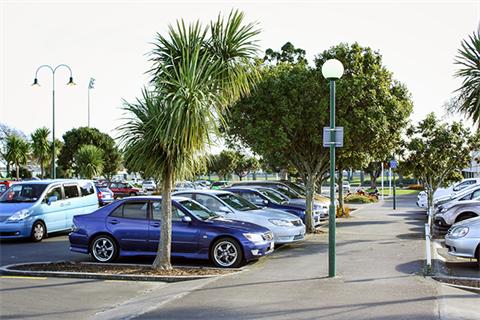
Horowhenua District Council has adopted a new Access and Parking Strategy designed to help Levin transition from a state highway town into a more people-focused, economically vibrant town centre.
Council acknowledges there is understandable community concern about parking and access changes, particularly around fears of losing car parks or making it harder for people to visit local businesses.
Group Manager Community Vision and Delivery David McCorkindale says the strategy is intended to provide a long-term framework for managing access and parking in a way that supports local businesses, residents and future growth.
“We know parking is an emotional topic because it affects people’s everyday routines and how they experience the town centre,” says McCorkindale.
“We’ve heard clearly from the community that convenience and accessibility matter. This strategy is about improving how parking works overall - making it easier for customers to find parks, supporting local business activity, and preparing Levin for the significant changes ahead.”
The strategy comes as Levin approaches a major transition point ahead of the opening of the Ōtaki to north of Levin (Ō2NL) expressway and the future revocation of State Highway 1 through the town centre.
The expressway investment will remove heavy through-traffic from Oxford Street and create opportunities to redesign the town centre into a safer and more attractive local main street.
“Council has been planning for some time around how we strengthen Levin as a destination town centre, support economic growth, improve the streetscape and prepare for life after the bypass,” says McCorkindale.
“The Access and Parking Strategy sits within that wider Levin town centre transformation work.”
Councillor Clint Grimstone says the strategy is a key step in shaping Levin’s future town centre.
“This strategy recognises that parking isn’t just about storing vehicles - it plays a critical role in how our town centre functions, supporting accessibility, local business and the overall experience of Levin,” says Councillor Grimstone.
“The balanced and staged approach, gives us a clear, evidence-based direction and ensures we’re making deliberate decisions that are aligned with the future we’re planning for.”
The strategy has been informed by parking occupancy data, community feedback, independent expert advice and changing transport patterns.
Community engagement showed that in absence of a public transport service 97 percent of respondents currently drive into town, with many people reporting difficulty finding convenient parking in central areas, despite underused parking existing nearby.
The most common concerns raised included parking availability, accessibility, signage, safety and inconsistent time limits.
Through the assessment of the current parking utilisation the work identified opportunities for Levin to better manage existing parking rather than needing to add more spaces.
Among the findings were that employee and long-stay parking is often occupying prime customer spaces, fringe parking areas are underutilised, and current parking settings can unintentionally discourage people from staying longer in town.
The proposed strategy focuses on managing parking differently depending on location and demand.
That includes prioritising convenient short-term parking in the busiest central areas for shoppers and visitors, while encouraging longer-stay and employee parking into lower-demand areas nearby.
It also proposes reviewing time limits to better support longer town centre visits and local spending.
Importantly, Council says the strategy itself does not introduce new parking fees, time limits or bylaw changes.
Any future changes to parking fees, enforcement settings or bylaws would require separate public consultation and formal Council decisions.
“This strategy sets direction,” says McCorkindale.
“It helps us move away from reactive parking decisions and towards a more evidence-based approach that supports the future success of Levin.”
Potential future actions identified within the strategy include:
- reviewing parking time limits
- improving signage and wayfinding
- introducing clearer parking zones
- exploring future parking technology upgrades to support more flexibility
- identifying opportunities for more electric vehicle charging infrastructure
- improving loading and servicing areas for businesses
- investigating opportunities for flexible use of parking spaces for town centre activation and placemaking.
Council says changes would be staged over time and monitored carefully. The community can anticipate changes both before and after the by-pass to ensure that access and parking in the town centre is fit for purpose.
“We understand people are cautious about change, especially when parking habits are involved,” says Mayor Bernie Wanden.
“But the new expressway and bypass is a once-in-a-generation opportunity for Levin. It gives us the chance to reshape the town centre into a place where people want to spend more time, support local businesses and enjoy being there.”